
What is Enmeshment?
Enmeshment is the lack of boundaries between parents and their children.
It describes families with over-involved relationships between family members.
Cultural Context in Filipino Families
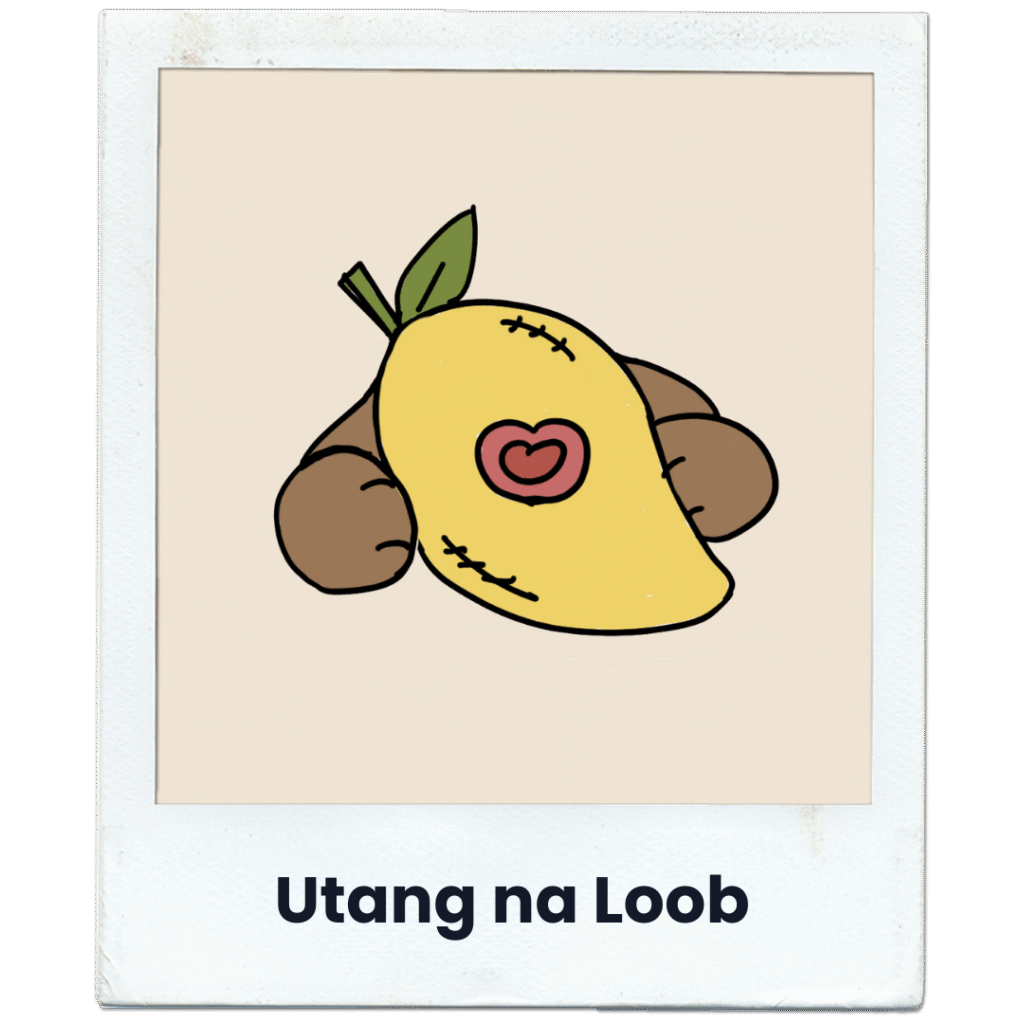
A deep sense of gratitude that creates lifelong responsibilities between family members, often influencing decisions and personal boundaries.
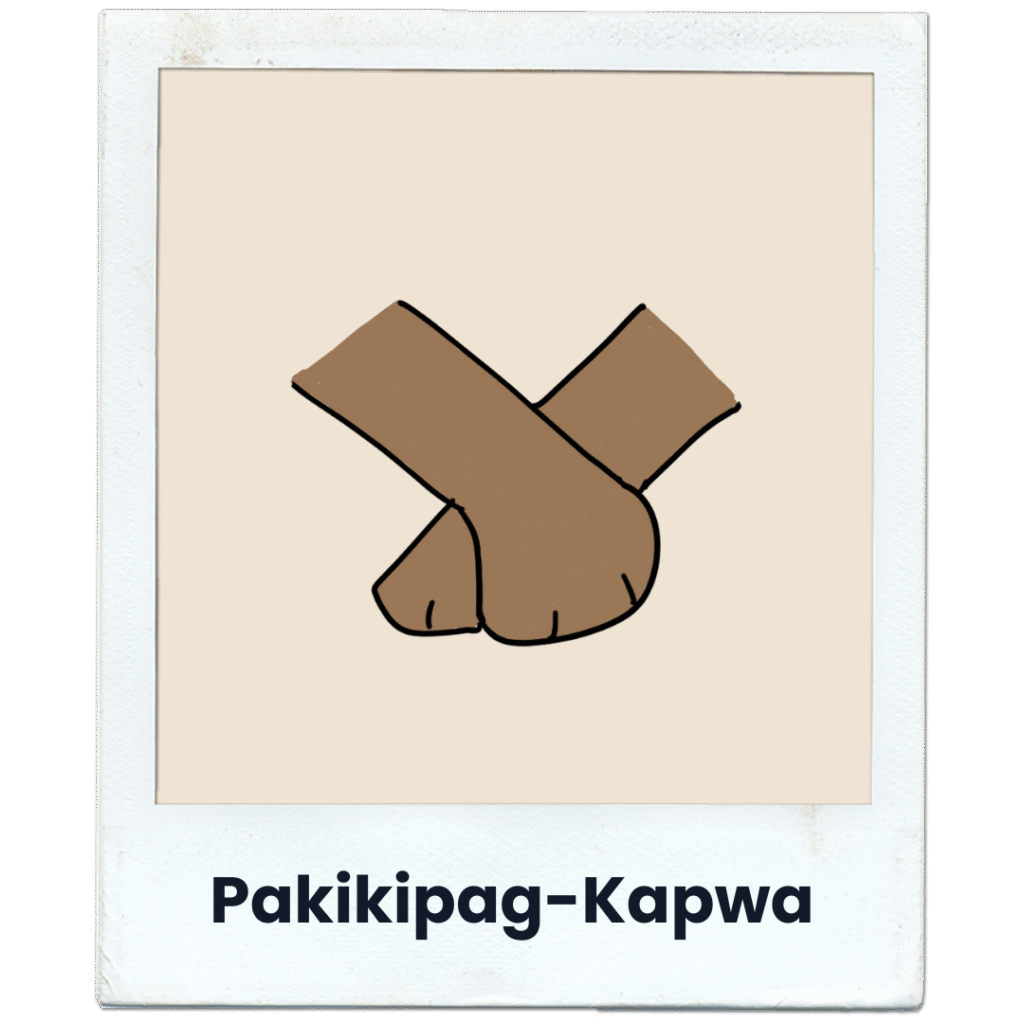
This refers to treating people like fellow human beings or acknowledging that they are also human beings (Enriquez, 1978, 1994).
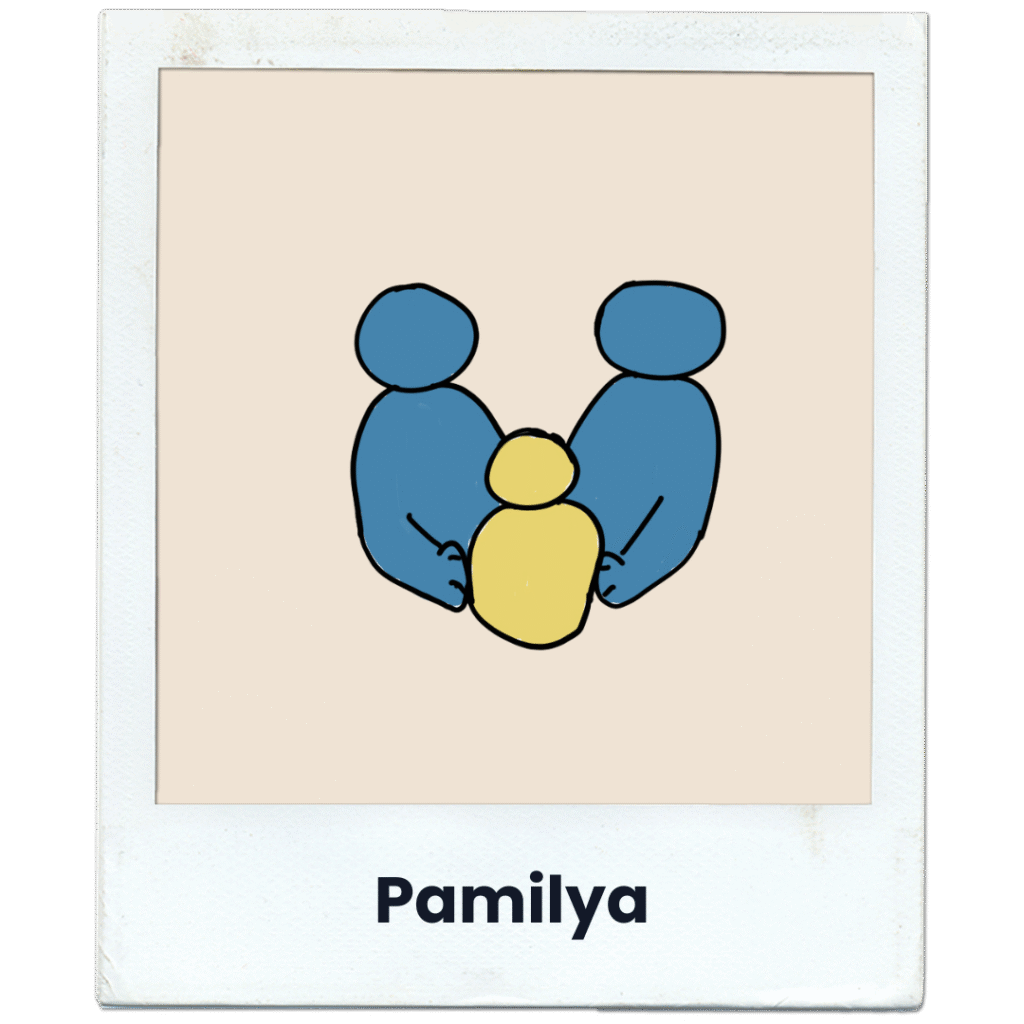
It is at the heart of Filipino households. Family and its interconnections with each other are highly valued in Filipino society (Maglian, 2019).
Multiple factors contribute to Filipino familial enmeshment.
Common Manifestations of Enmeshment
Here are the common symptoms that one may have been enmeshed since childhood.
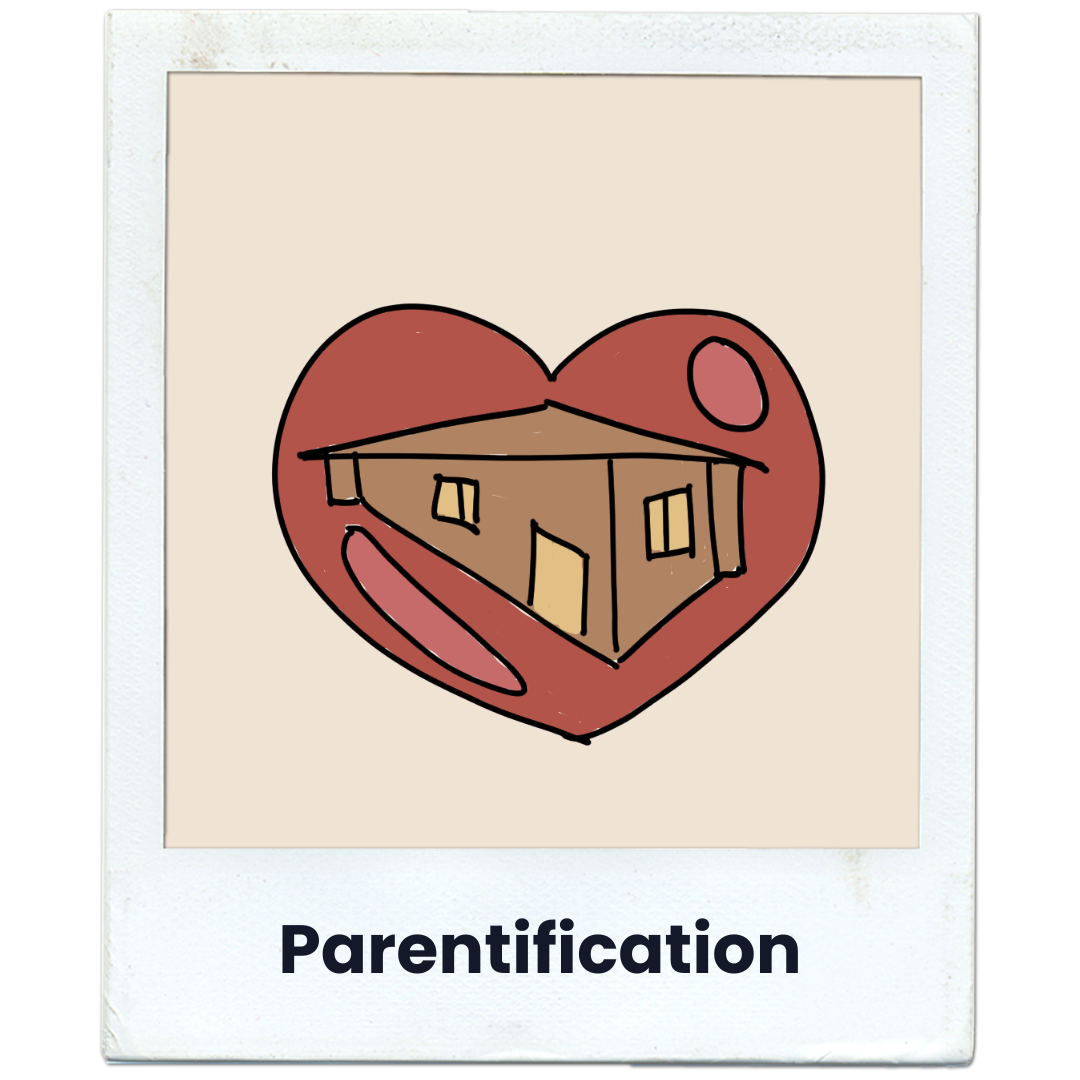
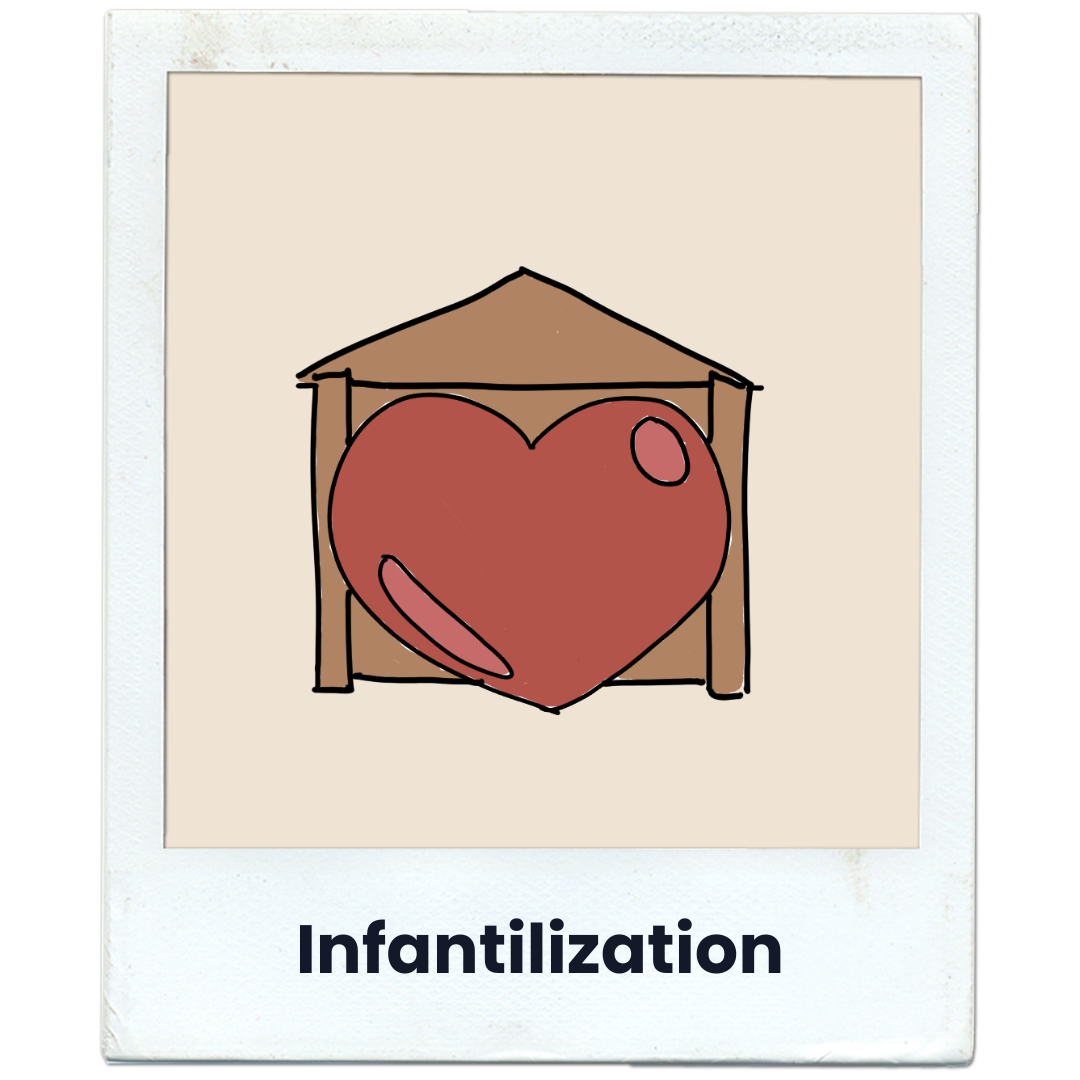
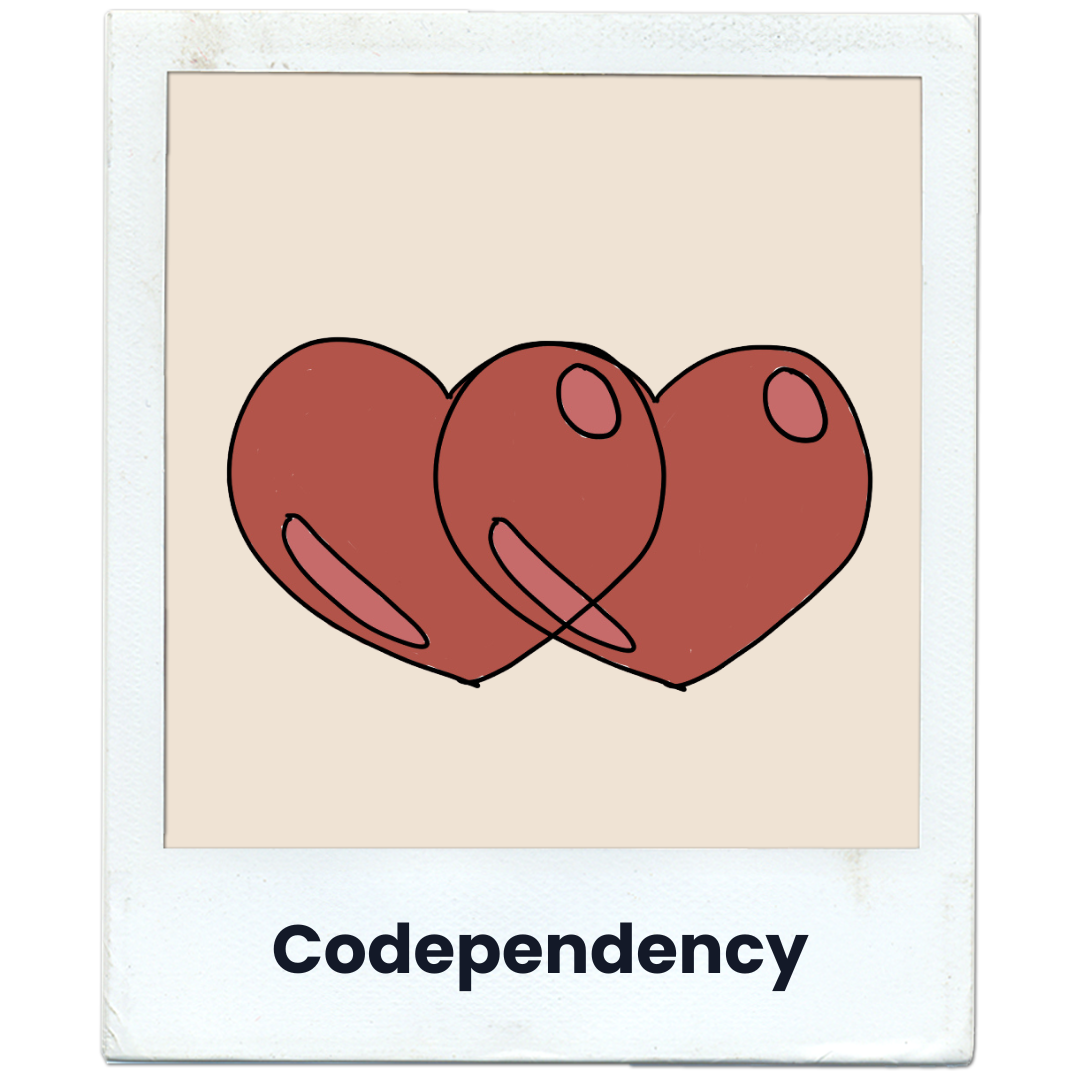
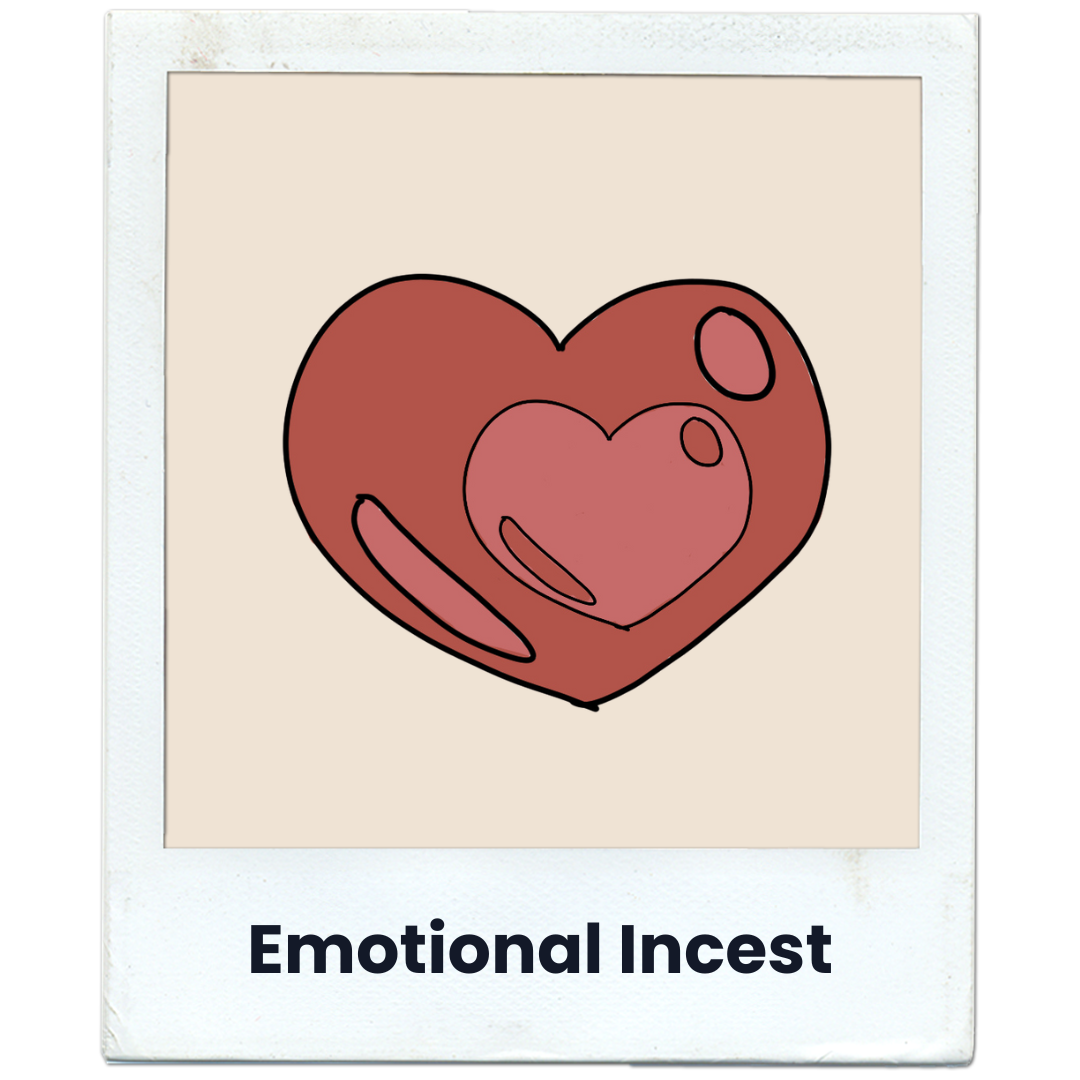
Impacts of Enmeshment on our well-being
Having manifestations of an enmeshed family dynamic can affect one’s interpersonal and intrapersonal skills.

These often include loss of one’s self-identity, self-autonomy, and self-esteem. One can find themselves comparing themselves to their peers, feeling as though something is lacking within, leaving them a feeling of insecurity.
Eventually, this affects their relationships be it platonic or romantic relationships. There is always a need for control and a gnawing feeling of guilt because of this.
Healing and Setting Boundaries
Although being enmeshed is not anyone’s fault, it is our personal duty
to heal ourselves to learn from it, and not repeat the same patterns.